Packaging & Sustainability in European Pineapple Imports: How Venezuelan Farms Meet New EU Recyclability Requirements
The European Union's Single-Use Plastics Directive and Extended Producer Responsibility (EPR) regulations have fundamentally reshaped how agricultural exporters approach packaging. For pineapple importers sourcing from Venezuela, understanding compliance with these evolving recyclability requirements is now essential to maintaining market access and meeting retailer demand across Germany, France, the UK, and Scandinavia.
At 10° Piña's, we recognize that sustainable packaging is no longer a competitive advantage—it is a market requirement. Our commitment to meeting EU standards ensures that wholesale buyers, distributors, and food service operators can confidently stock Venezuelan Red Spanish pineapples while demonstrating environmental responsibility to their end customers.
The EU Recyclability Mandate: What Changed in 2025–2026
As of 2025, the EU has strengthened packaging recyclability thresholds under Directive (EU) 2019/904 and the Packaging and Packaging Waste Directive. Key requirements include:
- Material transparency: All primary and secondary packaging must be clearly labeled with recyclability information and material composition codes.
- Minimum recycled content: Plastic packaging for produce must contain at least 25% recycled material by weight (increasing to 30% by 2030).
- Design for recyclability: Packaging must be designed to ensure at least 90% of material by weight can be mechanically or chemically recycled.
- Producer responsibility: Exporters share financial and organizational responsibility for end-of-life packaging management through national EPR schemes.
For tropical fruit exporters like 10° Piña's, these requirements demand investment in packaging infrastructure, supply chain auditing, and compliance documentation—costs that distinguish serious suppliers from casual competitors.
How 10° Piña's Packaging Strategy Aligns with EU Standards
Our packaging system for Red Spanish pineapples destined for European markets meets and exceeds current EU requirements:
Primary Packaging (Protective Layer)
We utilize food-grade, recyclable polyethylene (LDPE or HDPE) sleeves manufactured from 30% post-consumer recycled material. These sleeves protect fruit during transit while minimizing plastic use. All packaging is FSC-certified or sourced from suppliers certified under ISO 14001 environmental management standards.
Secondary Packaging (Export Cartons)
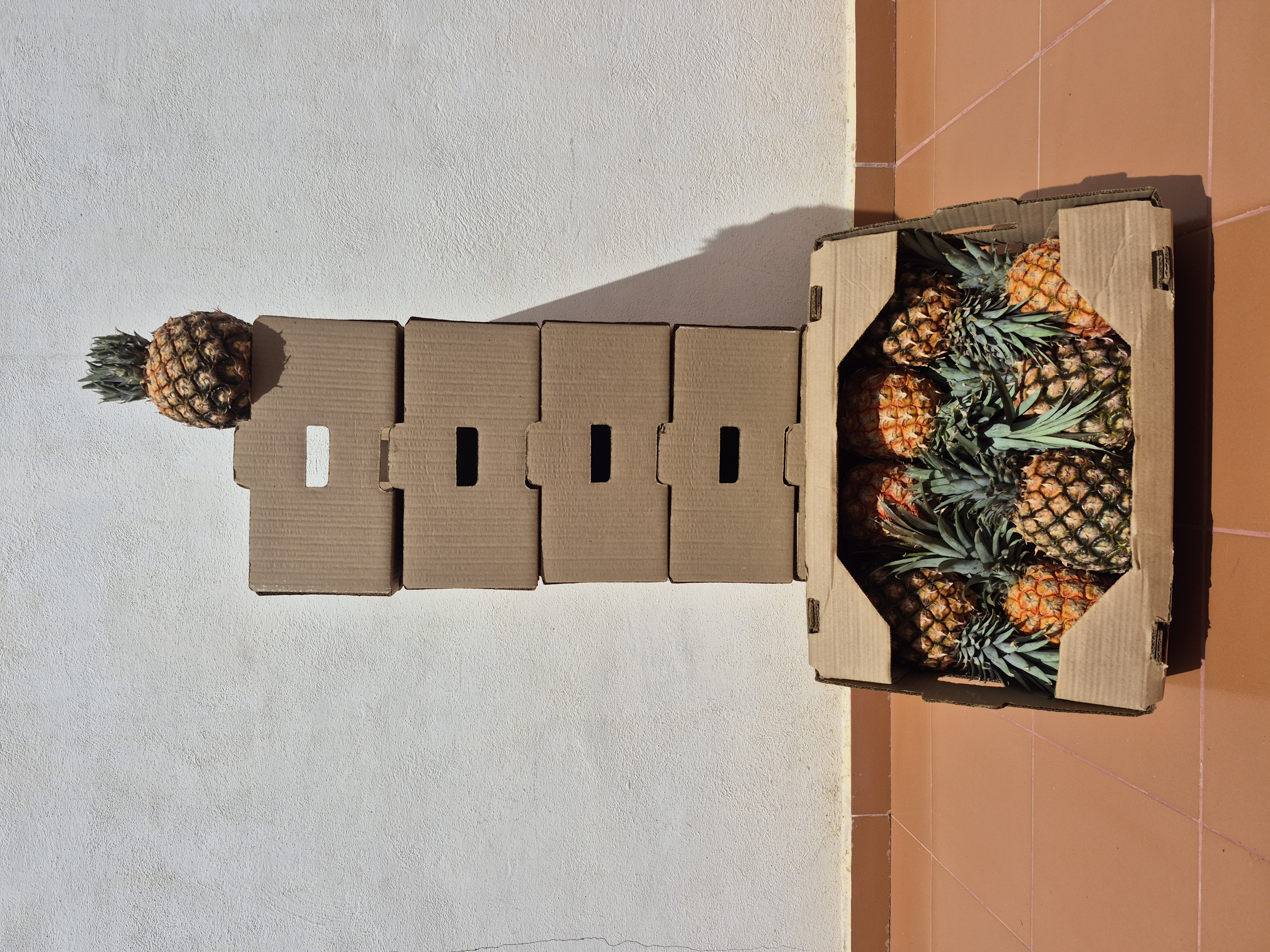
Our corrugated cardboard cartons are 100% recyclable and sourced from suppliers holding FSC Chain of Custody certification. Inks and adhesives are non-toxic, solvent-free, and compatible with existing European recycling infrastructure. Carton weight is optimized to reduce transportation emissions without compromising fruit integrity.
Tertiary Packaging (Palletization)
Wooden pallets comply with IPPC (International Plant Protection Convention) heat-treatment standards and are constructed from sustainably managed Lara State timber. At destination, pallets are returned through reverse logistics agreements or donated to local recycling programs, ensuring zero landfill contribution.
Compliance Documentation & Traceability
When you partner with 10° Piña's, importers receive comprehensive packaging compliance documentation:
- Material Safety Data Sheets (MSDS) for all food contact materials, meeting EC Regulation 1935/2004 (Food Contact Materials).
- Recyclability Declarations signed by our packaging suppliers, confirming mechanical and chemical recyclability percentages per EN 13430 standards.
- EPR Registration Certificates confirming our enrollment in approved Extended Producer Responsibility schemes across target markets (Germany's Der Grüne Punkt, France's Citéo, UK PRN system, etc.).
- Packaging Weight Reports detailing material composition and recycled content percentages for each shipment.
This transparency allows your compliance teams to verify sustainability claims with confidence—critical when supplying major European retailers and food service operators who conduct third-party audits.
Cost Implications & Market Positioning
Sustainable packaging compliance carries real costs: certified materials, regulatory enrollment fees, documentation audits, and reverse logistics coordination add 3–7% to export pricing compared to competitors using non-compliant systems. However, this investment unlocks access to premium channels—Whole Foods, Carrefour, Tesco, and Rewe increasingly exclude suppliers lacking EU compliance certifications from their shelves.
For importers evaluating Venezuelan suppliers, our transparent pricing model reflects these compliance costs honestly. We do not hide sustainability expenses or promise unrealistic cost structures.
Why Venezuelan Red Spanish Stands Out in Sustainable Trade
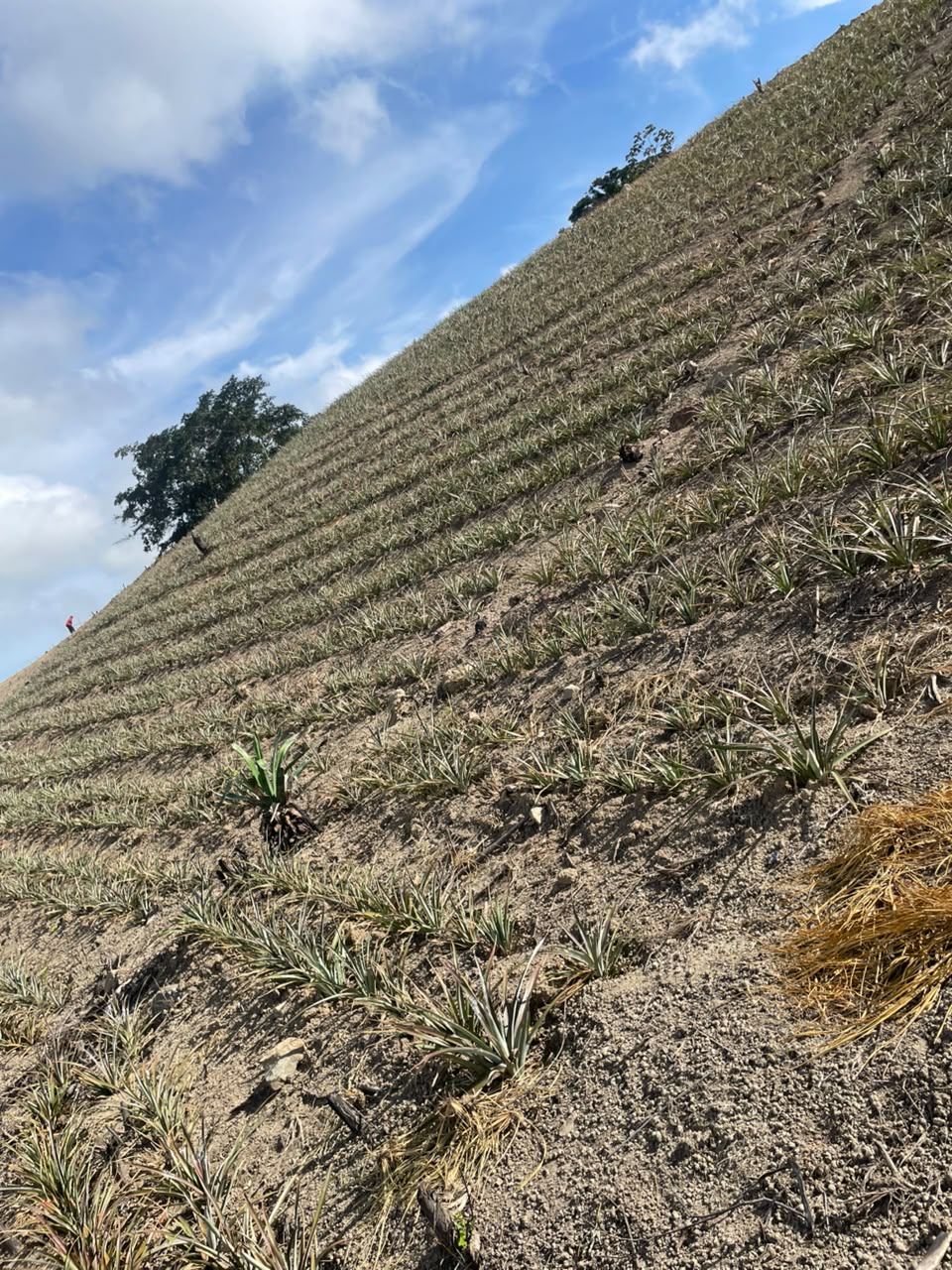
Venezuela's geographic advantages extend beyond climate and soil quality. Our farms' proximity to Caribbean export hubs reduces transportation distance to European ports compared to Asian competitors, directly lowering carbon footprint per unit shipped. When combined with recyclable packaging systems, Venezuelan sourcing becomes a credible sustainability narrative for European consumers increasingly influenced by origin transparency.
Learn more about how Venezuelan pineapples compare as a secure alternative to Asian competition, or explore our farm visit checklist to verify supplier compliance firsthand.
Next Steps for European Importers
If you are currently sourcing pineapples from suppliers unable to provide EU recyclability documentation, transitioning to 10° Piña's eliminates regulatory risk. Our compliance team can guide you through EPR enrollment in your market, packaging material substitution, and documentation workflows.
Contact our export team to request a Packaging Compliance Dossier specific to your target markets and distribution channels. We also offer farm visit scheduling to inspect packaging facilities and sustainability infrastructure firsthand—see our farm visit checklist here.
The EU's recyclability mandate is not a temporary trend. It reflects structural regulatory momentum toward circular economy standards that will intensify through 2030 and beyond. Partnering with suppliers meeting these requirements today ensures supply chain resilience tomorrow.
Market intelligence source: FreshFruitPortal